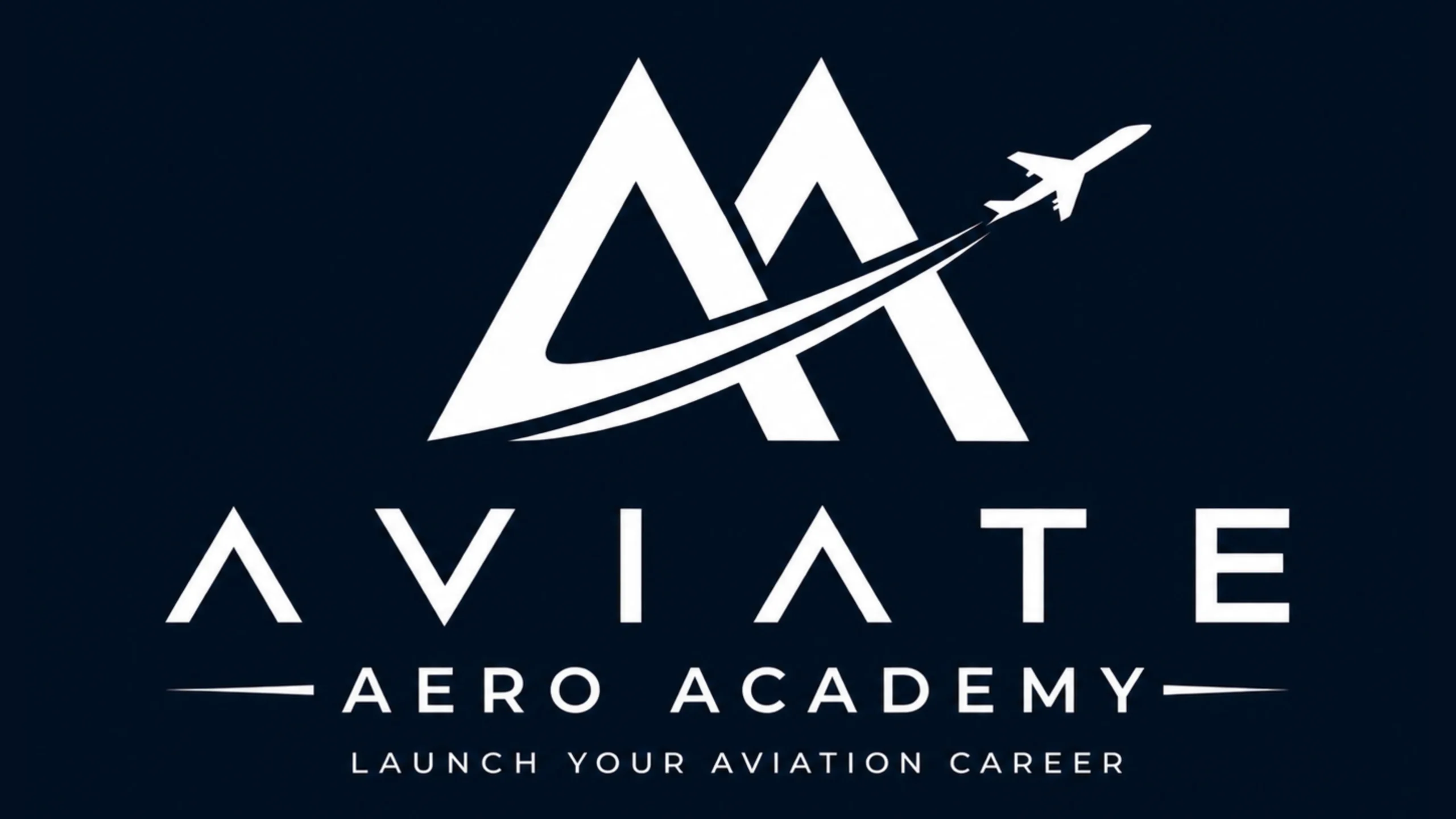
The Biggest Flying School Mistake Students Make: Choosing by Price
By Shravya, Aviate Aero Academy
One of the most dangerous questions a student can ask at the beginning of pilot training is: “Which flying school is the cheapest?”
It sounds practical. Pilot training is expensive, and every family has to think seriously about budget. There is nothing wrong with comparing costs. In fact, financial planning is one of the most important parts of the pilot journey.
But choosing a flying school only because it is cheaper is a mistake.
In aviation, the cheapest decision at the beginning can become the most expensive decision later.
A flying school is not like buying a phone, booking a coaching class, or choosing a regular college course. It is a safety-sensitive training environment where aircraft availability, instructor quality, maintenance standards, weather conditions, training discipline, documentation, simulator access, ground support, and operational consistency all matter.
The student is not only paying for hours in the air. The student is paying for the quality of learning inside those hours.
In India, completing 200 flying hours is a key requirement on the path to a Commercial Pilot Licence, along with DGCA exams and medical requirements. DGCA has also pushed Flying Training Organisations to publish important information such as minimum and maximum time taken to complete 200 hours, number of aircraft, instructors, examiners, ground school availability, and simulator availability. This itself tells us something important: flying school selection cannot be reduced to fees alone. (The Times of India)
A lower fee may look attractive on paper. But what if the school has limited aircraft? What if aircraft are frequently grounded? What if the student-to-aircraft ratio is poor? What if instructors are overloaded? What if the weather causes long delays? What if documentation support is weak? What if the student takes far longer than expected to complete training?
Suddenly, the “cheaper” option is no longer cheaper.
Extra accommodation, food, travel, waiting time, repeated exams, delayed flying, lost months, and mental pressure can increase the actual cost of training. Worse, poor training quality can affect confidence at later stages such as skill tests, airline preparation, simulator assessment, and type rating.
That is why parents and students must understand the difference between price and value.
Price is what the school quotes.
Value is what the student actually receives: training quality, safety culture, aircraft access, instructor attention, operational transparency, learning discipline, and career readiness.
The Directorate General of Civil Aviation has introduced a ranking system for DGCA-approved Flying Training Organisations, with rankings based on performance categories. The framework includes categories such as A+, A, B, and C, and rankings are expected to be published periodically. (Directorate General of Civil Aviation) The Ministry of Civil Aviation has also described the FTO ranking mechanism as a step towards strengthening India’s pilot training ecosystem and improving transparency and quality orientation. (Press Information Bureau)
This matters because students need better decision-making tools.
For many years, flying school selection happened through word of mouth, agent recommendations, social media impressions, or one senior’s experience. That is not enough anymore. A serious student must ask sharper questions before making a financial commitment.
Is the FTO DGCA-approved?
How many aircraft are actually operational?
How many instructors are available?
What is the realistic timeline to complete 200 hours?
What is the weather pattern at the base?
How transparent is the fee structure?
What additional costs are not included?
How strong is ground school support?
How is safety managed?
How are maintenance delays handled?
How many students are waiting for flying slots?
These questions may sound boring compared to the dream of wearing a pilot uniform. But these are the questions that protect the dream.
Aviation is not built on excitement. It is built on systems.
Another mistake students make is assuming that every flying hour is equal. It is not.
Two students may both complete 200 hours, but their learning quality may be very different. One may have received strong instructor feedback, structured progression, proper briefings, disciplined checks, and exposure to varied flying conditions. Another may have simply moved through the syllabus without truly building judgement.
Both may have hours in the logbook. But only one may be better prepared for the next stage.
That difference becomes visible later.
It shows during skill tests.
It shows during simulator assessments.
It shows during interviews.
It shows during type rating.
It shows when the student has to think like a professional pilot, not just a licence holder.
Parents should also be careful about “all-inclusive” claims. If a fee sounds too low, ask what is excluded. Uniforms, exams, medicals, accommodation, transport, retests, additional flying, documentation, licence conversion, simulator sessions, and delays can all change the real cost.
A transparent school may look more expensive at the beginning but save the student from confusion later. A cheap quote with hidden costs can create financial stress halfway through training.
At Aviate Aero Academy, we meet many students who are passionate but overwhelmed by these decisions. As a Hyderabad-based aviation training and guidance academy, Aviate Aero Academy supports aspiring pilots with DGCA ground classes, CPL guidance, flying training assistance, type rating guidance, and global flying school guidance. Our role is to help students and parents move from confusion to clarity, compare training options realistically, and understand that choosing a flying school is not a price-shopping exercise. It is a career decision.
The truth is simple: budget matters, but price should never be the only filter.
Choose a flying school because it is safe, transparent, structured, consistent, and suitable for your roadmap. Choose it because it can help you learn properly, complete training responsibly, and move towards airline readiness with confidence.
Do not choose it only because someone offered a lower number.
In aviation, cheap shortcuts usually come with hidden costs.
A good pilot is shaped by good training, disciplined guidance, quality flying, and honest preparation. The aircraft you train on, the instructors who correct you, the systems that support you, and the culture you learn inside all become part of your foundation.
The cockpit will not ask how much discount you got.
It will ask whether you were trained well enough to carry the responsibility of flight.